Natalie's Story

An exploration of the profound impact of Natalie Cole's music and artistry throughout the decades.

Her Story
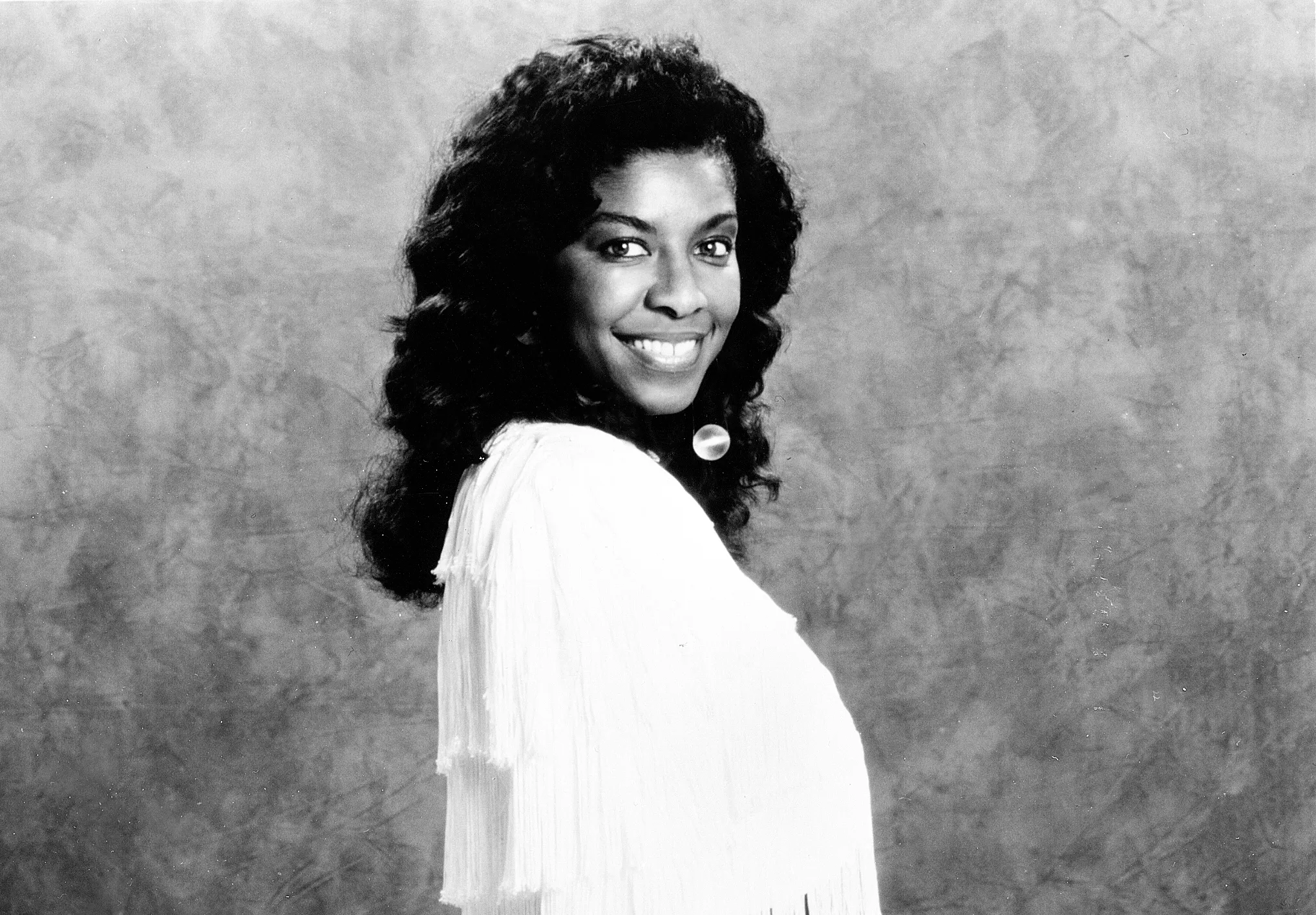
Natalie looking over her shoulder
Courtesy of The Natalie Cole Foundation

The Natalie Cole story begins in Los Angeles in 1950 and spans an amazing six decades of groundbreaking music and artistry.

Natalie Maria Cole was born on February 6, 1950, to the legendary musician Nat King Cole and former jazz singer Maria Cole (née Hawkins). By the 1950s, Nat had already made a name for himself as an international star, and the birth of his namesake Natalie had all the markings of someone destined for greatness. Looking back on a career that saw Natalie Cole sell millions of records, earn nine GRAMMY Awards®, and become an acclaimed actress on the screen, one might think it was all an easy road. Nothing could be further from the truth. But with Natalie’s trademark tenacity and unparalleled work ethic, she made an indelible mark on the music industry that continues to shine today.

When a person hears Natalie’s voice for the first time or the thousandth time, the reaction is always the same: Unmistakable Natalie. From her first hit (and first GRAMMY®-winning song) “This Will Be (An Everlasting Love)” through her game-changing virtual duet of “Unforgettable” with her father Nat King Cole, the continued thread has always been the emotion she brought to each performance. That emotion comes through on the records and it came through on stage during her tireless touring schedule. Natalie was as at home on the stage as she was in the vocal booth. She gave 100 percent with every note she sang, whether it be for 50,000 screaming fans or a recording engineer and a producer behind the glass.

One can’t discuss Natalie’s music without also touching on the diversity of genres in which she performed. She sang pop, rock, dance, standards, holiday music, and incredible jazz, never missing a beat and always making it her own. It’s certain that at some point in your life, Natalie Cole’s music has made an impact on you, whether drawing a tear to your eye with her ballads of reminiscence or making you move your feet with her classic dance tracks.

Natalie Cole’s story is one of artistry, but it’s also one of family, as well as struggle and triumph. Her personal story made her music what it is, and that artistry continues every time her songs are played today.

To learn more about Natalie’s legacy, we encourage you to explore her life through the decades, below.

Nat and Maria with newborn Natalie
Courtesy of The Natalie Cole Foundation
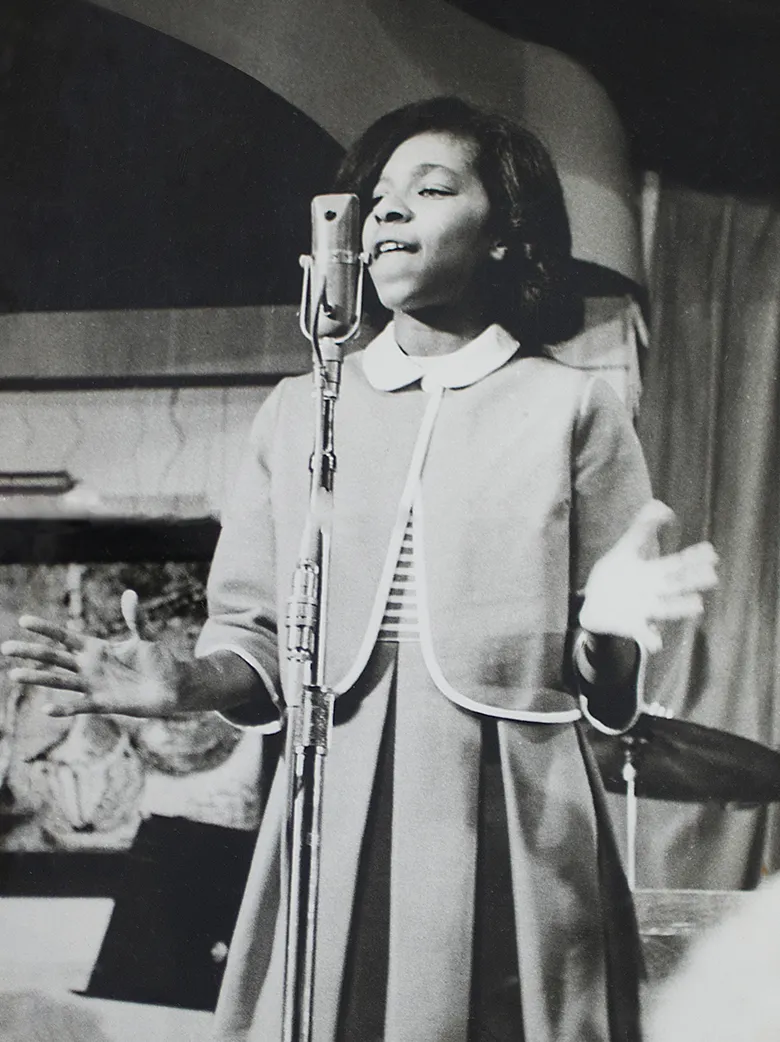
Young Natalie singing on stage
Courtesy of the Natalie Cole Foundation
Natalie with her first Grammy Award
Photo courtesy: Mal Mace Archives/Cache Agency

The '50s

We begin on February 6, 1950, when Natalie Cole was born in Los Angeles to Nat King Cole and Maria Cole (née Hawkins). The legendary Nat King Cole and Maria Cole—who was a wonderful singer in her own right—were entertainment royalty by the time Natalie was born, and yet, the musical legacy of the Cole family was just beginning. 

The 1950s were a time of great change and upheaval with the dawn of the Civil Rights movement and the post-World-War-II baby boom. It was also an era of cultural achievement in American music and entertainment.

The fabulous '50s include Natalie Cole’s first “public” singing appearance at age 6. She was, literally, the voice of an angel on the Capitol Records recording “I’m Good Will, You're Christmas Spirit.” The photoshoot for the record jacket has become a legendary image encapsulating the holiday spirit of the era. Natalie’s toothless smile with her hand on her father’s shoulder says it all. Natalie also performed backing vocals with her sister Carole (aka Cookie) on her father’s recording of “Ain’t She Sweet.” “No two ways about it,” Natalie later said of that recording, “I was a ham!”

The '50s also marked Natalie’s first time on stage with her father, in the summer of 1957, when she wandered on stage for an impromptu appearance during what must’ve been an unforgettable Nat King Cole performance at the Cal-Neva Lodge in Lake Tahoe. Laughs were had by all. It was said that Nat made sure in the future to have Natalie supervised backstage. 

Natalie’s childhood included piano lessons (she was Nat’s daughter, after all) and enjoyment of the great outdoors, along with rides on the roller coaster at the Pacific Ocean Park pier and quality time with her older sister, Carole “Cookie” Cole. Christmas was an important time for the entire family, and the echoes of her childhood Christmases can be heard in the sounds of many perennial Cole Christmas recordings, including Natalie’s classic 1994 album, Holly & Ivy.

The experiences of Natalie’s youth in the 1950s set the stage for what was to come in her career. As the decade closed out, Natalie notably joined her father for his 1959 Cole Español album tour, which was not only her first trip to Mexico City, but also lay the foundation for what would become her final studio album, Natalie Cole en Español, released 54 years later.

Natalie’s formative years in the 1950s set the groundwork for what was to come in both her professional and personal life over the next five decades.

A new born Natalie Cole
Courtesy of The Natalie Cole Foundation
Nat, Maria, Carole, Natalie, and dog
Courtesy of The Natalie Cole Foundation
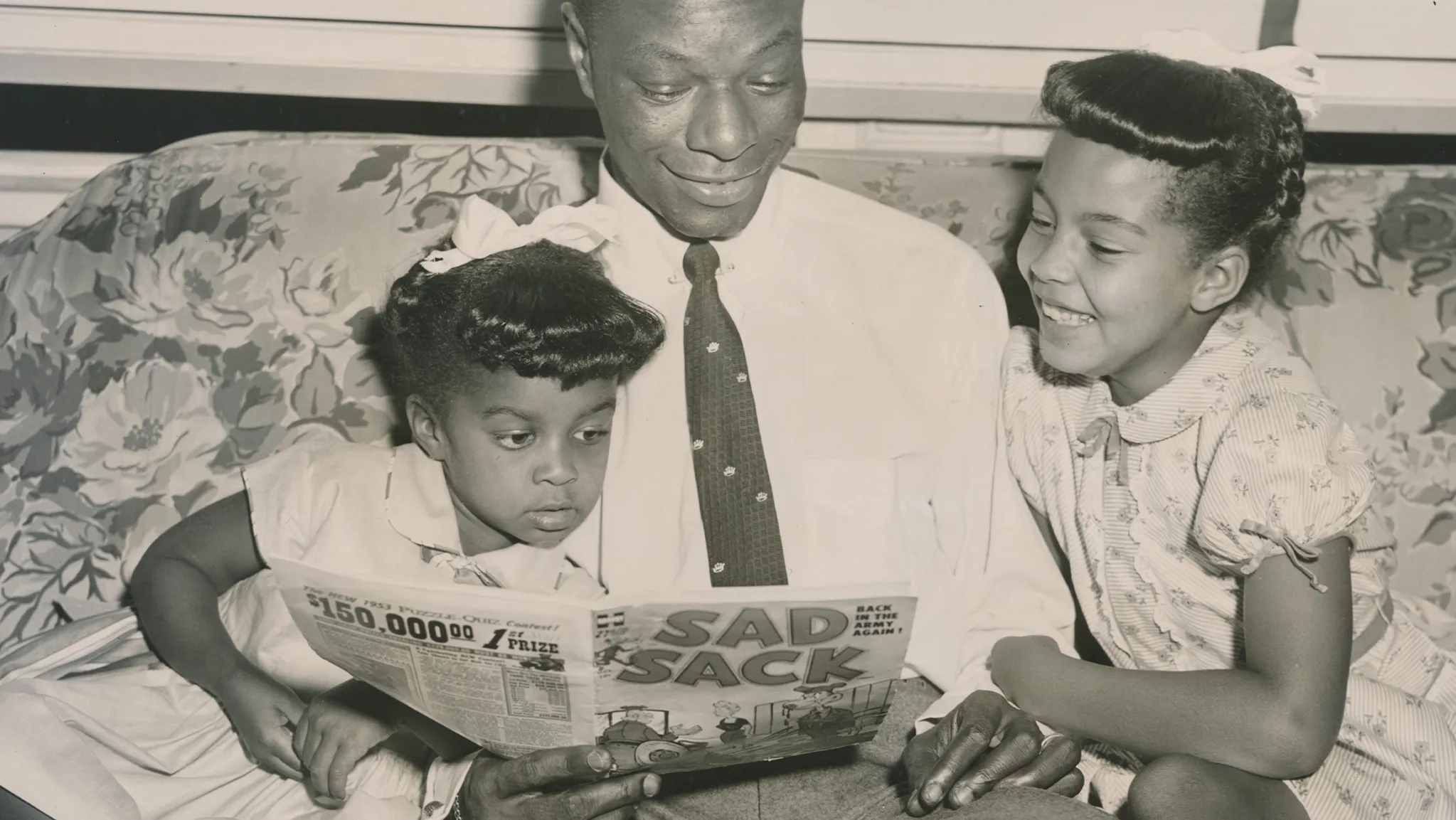
Nat Cole reads to young Carole and Natalie
Courtesy of The Natalie Cole Foundation
Nat and Natalie reading music score.
Courtesy of The Natalie Cole Foundation

The '60s

The 1960s were a definitive time for Natalie Cole in terms of her life and music. Born in 1950, Natalie Cole turned 10 on February 6, 1960, and would end the decade by moving to college in Massachusetts where she would begin her journey to becoming the legendary artist we cherish today.

While the '60s would include many joyous moments and musical firsts for Natalie, the decade also saw tragedy with the passing of her father, Nat King Cole. This was an event that would reshape her personal life and influence her artistic career for the rest of her years.

Family was a big component of Natalie Cole’s experience in the 1960s. Her brother Nathaniel Kelly Cole had just recently joined the family—having been adopted in 1959—when in 1961, Natalie’s mother, Maria, announced she was pregnant with twins. Natalie’s twin sisters, Casey and Timolin, were born in September of 1961, growing the family in ways Natalie could only imagine. “They were just so darling. I had two real life dolls to play with.”, Natalie said in her autobiography about her adored sisters.

Musically, Natalie was also coming into her own. In the summer of 1961, Nat King Cole was working on bringing a musical to Broadway and had chosen to schedule a few Southern California dates to try out the show. Nat agreed to allow a driven young Natalie to audition, and she joined him at the Greek Theater in Los Angeles in 1961 performing “It’s a Bore” from the musical Gigi. It was her first performance on stage in front of thousands of people. The review in Down Beat magazine raved that Natalie had “every mark of a professional.”

As the '60s progressed, Natalie made the move from Los Angeles to Massachusetts as a freshman at Northfield School for Girls in 1964. It began a lifelong love for the New England region, including her enrollment at University of Massachusetts Amherst later in the decade. That first autumn visit in 1964, however, was notably, as Natalie later recalled, the last time she saw her father as his relaxed and happy self. Unfortunately, Nat King Cole would fall ill shortly afterward from lung cancer. He passed away tragically on February 15, 1965. “My father gave me a joyous, secure childhood, a rich legacy of music, and a powerful, supportive love that has carried me through the darkest hours of my life,” Natalie wrote in her autobiography as she looked back on that emotional time.

There is no doubt the joys and tragedies of the 1960s played a pivotal role in Natalie Cole’s life. The decade shaped her personally and artistically for the eras to come.

Young Natalie sings with her first band
Courtesy of The Natalie Cole Foundation
Nat and young Natalie on stage
Courtesy of The Natalie Cole Foundation
Christmas with Natalie, Kelly, Casey, & Timolin
Courtesy of The Natalie Cole Foundation
Natalie sings at her high school prom
Photo: ©Jeff Allen/Cache Agency

The '70s

The 1970s mark the rise of the musical artist Natalie Cole that we know and cherish today. It was a decade in which Natalie Cole honed her craft, launched her career as a recording artist, and won her first GRAMMY Awards®. Some of her most memorable hits to this day stem from the 1970s. It was also a time of wonderful personal growth in the realms of marriage and becoming a parent. 

By the time Natalie Cole signed her first record deal in 1974, she had already been performing with her college band, Black Magic, around the area of UMass Amherst where she was attending. She was developing her stage presence as well as expanding her musical tastes. Her band, Black Magic, was performing everything from Jimi Hendrix to Janis Joplin to James Taylor. She was also working hard to create her own name, musically distancing herself from her father. In fact, she once told the manager of a restaurant in Massachusetts, where she was booked to sing, that she would not perform unless they removed a sign that said: “Tonight: Nat King Cole’s Daughter.” 

It wouldn’t be long before Natalie Cole was a name to be revered on its own.

As Natalie’s musical presence grew, with the help of her manager Kevin Hunter, she was introduced to two future collaborators who would change her life forever: Marvin Yancy and Chuck Jackson. Natalie recalled in her autobiography the first time she saw Marvin Yancy. “He was wearing a little sideways applejack cap, like Donny Hathaway, and one of those flamboyant 1970s zoot-suity jackets with the wide lapels—very handsome…Oh yes, he had a great smile, too.”

It’s impossible to overstate the importance of the 1970s to Natalie Cole’s life and career. The decade included incredible milestones. Natalie signed to Capitol Records and released her first album Inseparable in 1975, featuring her first international smash-hit-single “This Will Be (An Everlasting Love.)” The song, written by Jackson and Yancy, not only propelled Natalie Cole into superstardom, but also garnered her her first GRAMMY Awards® for Best New Artist Of The Year and Best R&B Vocal Performance, Female. Amazingly, Natalie Cole went on to win more GRAMMY Awards®, with a win the following year for her 1976 hit “Sophisticated Lady (She's a Different Lady).”

The milestones don’t stop there. Natalie Cole and Marvin Yancy were married in 1976 (with a formal reception in 1977) and their son, Robert Adam Yancy, was born on October 14, 1977. Personal milestones notwithstanding, Natalie’s career continued at a rapid pace throughout the end of the decade, too. She had her first TV special in April of 1978 and received her star on the Hollywood Walk of Fame in February of 1979.

It was an era of disco, of love, and of dreams coming true. Natalie’s music from the 1970s reflects this palpable energy from a time when the future was bright and the world was calling. Little did she know it was only the beginning of a legendary entertainment career that would span six decades.

Nat and Natalie reading music chart
Courtesy of The Natalie Cole Foundation
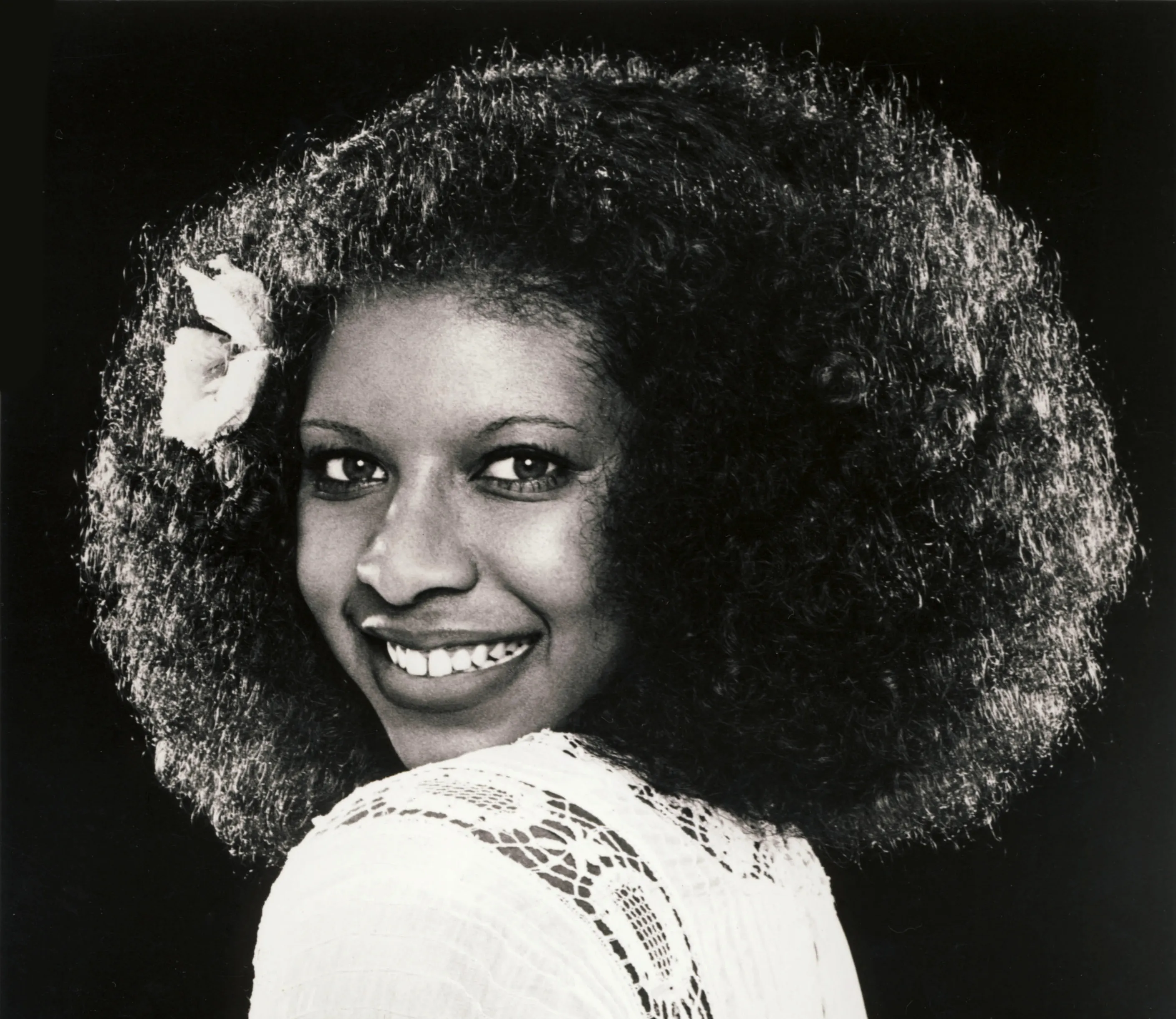
Publicity phot of Natalie from her first album
Photo courtesy: Mal Mace Archives/Cache Agency
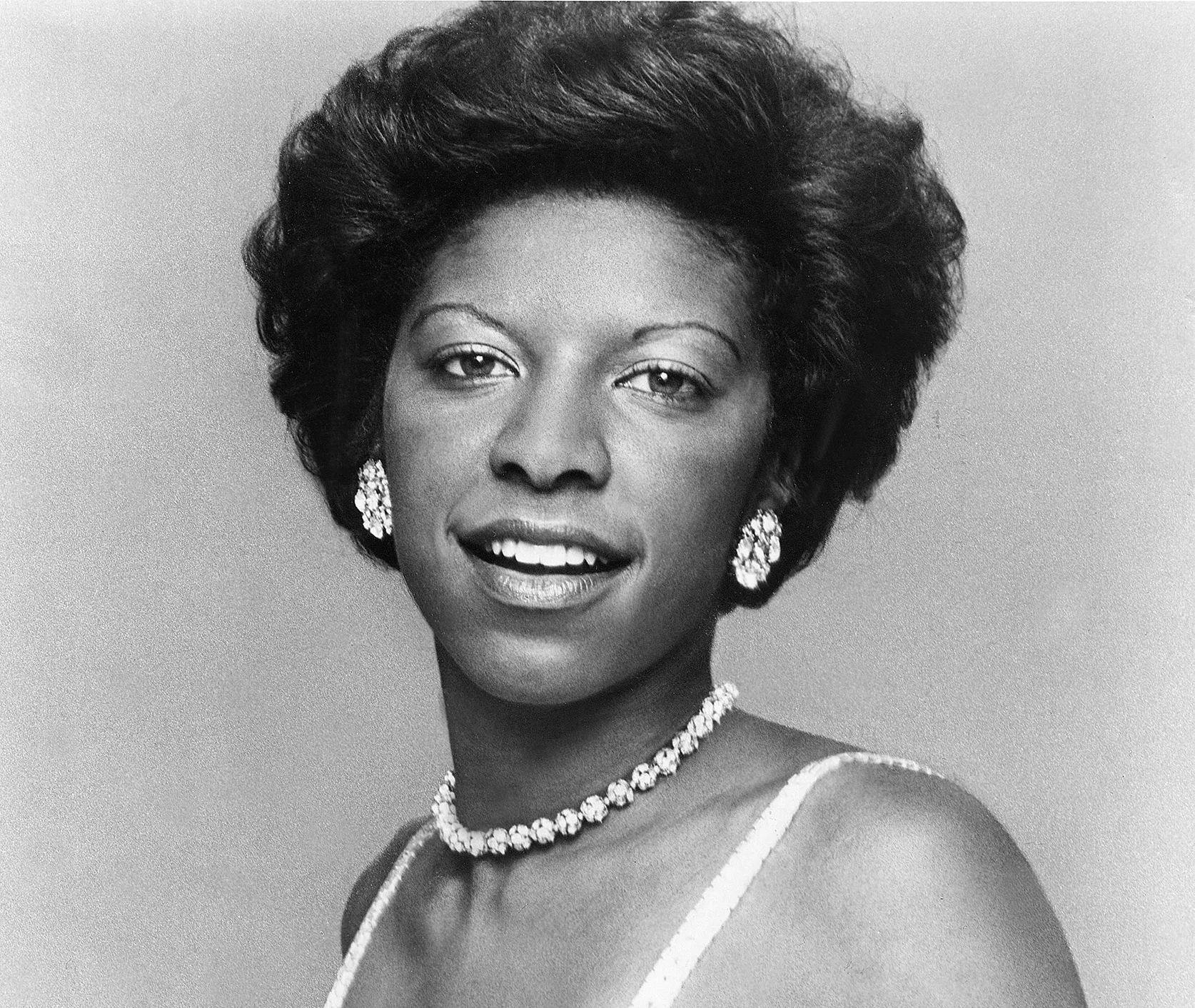
Publicity photo of Natalie from the 70s
Photo courtesy: Mal Mace Archives/Cache Agency
Publicity photo of Natalie from 70s
Photo courtesy: Mal Mace Archives/Cache Agency

The '80s

For Natalie Cole, the 1980s were a time of artistic growth, personal challenge, and, ultimately, rebirth.

Natalie Cole released six studio albums in the 1980s, exploring different genres of music while scoring several hits in the MTV era, including the Billboard® Top Five single “Pink Cadillac” from her album Everlasting in 1988.

The decade was marked by challenges for Natalie, however. New Year’s Eve 1980 signaled the end of her marriage to producer Marvin Yancy, with Marvin being served divorce papers that day. The years that followed their breakup between 1980 and 1983 have been described by Natalie as “the worst years.” Substance abuse had taken its toll on her personal and professional life. The years included struggle after struggle that eventually culminated in a life-changing recovery through a six-month stay in rehab during the winter of 1983 and spring of 1984. In the end, Natalie described her experience in rehab as “the best thing I ever did.”

The trials and tribulations of the 1980s were not over yet, however. Tragically, Marvin Yancy passed away in 1985 from a heart attack. His passing shocked Natalie to the core, taking place during the recording of her album Dangerous. She put her heart and soul into her music, recognizing “more than ever, my first responsibility was to Robbie.” Natalie would focus her love on raising her son Robbie while channeling her creative energies into her music. She had some of her biggest pop hits in the years that followed, despite the tumultuous times she was living through. The decade closed out with the release of her aptly titled album Good To Be Back, which ended up featuring the Billboard Hot 100TM Top Ten single “Miss You Like Crazy” – an epic performance crafted with the ever-keen ear of super producer Michael Masser.

The 1980s were not an easy decade for Natalie Cole. This much is true. But with her unwavering determination, serious work ethic, and unbridled spirit, she captured some of the decade’s most memorable recordings that are still cherished by fans today. Little did Natalie know that the next decade, the 1990s, would signal a rebirth of a different sort, one that would include a creative technological breakthrough that would change the face of recorded music forever.

Natalie Cole publicity photo
Courtesy: BMC/Dalle/Cache Agency
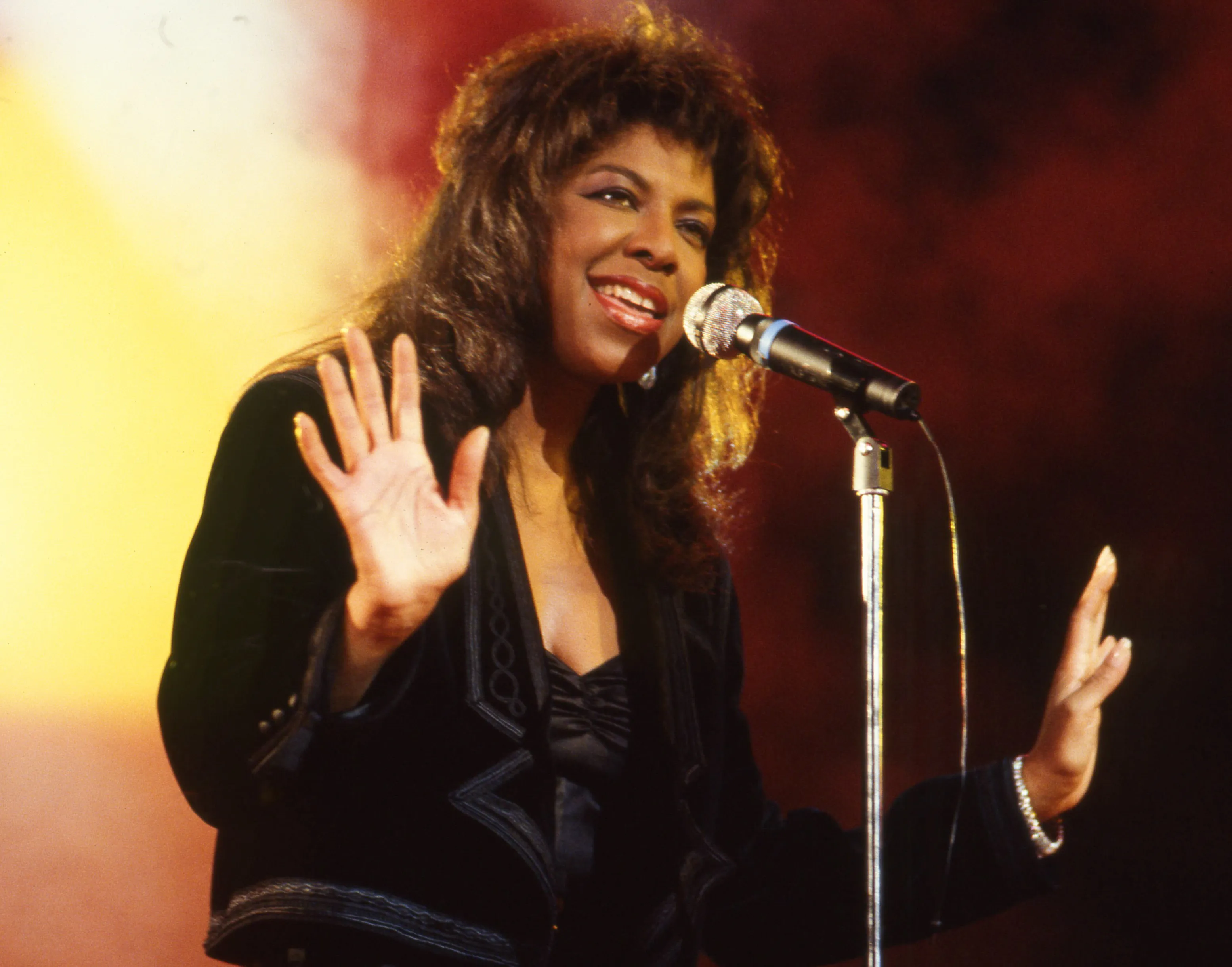
Natalie singing
Photo: ©Good Times/Nikma/Dalle/Cache Agency
Natalie and Robbie at music event
Courtesy of The Natalie Cole Foundation
Publicity shot of Natalie Cole
Courtesy: BMC/Dalle/Cache Agency

The '90s

The 1990s were an artistic renaissance for Natalie Cole. They were also a time of musical rebirth for the Cole family legacy.

Except for rare exceptions, Natalie had spent the better part of her career trying to make her own way in the world of music and not perform her father’s classic songs. Although she had performed "Unforgettable" in 1986 at the Newport Jazz Festival, for the most part she had focused on her own material.

That all changed when Natalie signed with Elektra records at the start of the 1990s and decided she would record what was originally planned to be a “tribute album” of her dad’s greatest hits. What was intended to be a love letter to her father, however, took on a world of its own and in its course changed musical history.

Everyone remembers where they were when they first heard the sound of Natalie Cole’s voice mixing with Nat’s over the lush orchestral arrangements of their virtual duet “Unforgettable.” Their voices together, in sync and in harmony, caused a shift in the entertainment industry, forcing executives everywhere to rethink what was possible with new technology. The album Unforgettable…With Love was a smashing success. 1991 was Natalie’s year, scoring one of the biggest hits of her career and garnering unparalleled adoration. She went on to win three GRAMMY Awards® at the 34th annual show in 1992 for Unforgettable…With Love, including the prestigious Album of the Year accolade.

Like all things in life; however, there were ups and downs for Natalie in the '90s, including the end of her second marriage and the tragic passing of her brother, Nat Kelly Cole, in 1995, which hurt her deeply. But the decade marked new creative endeavors for Natalie, too, including the beginning of her very successful acting career – a new artistic outlet – with her appearing in projects including the film Lily in Winter in 1994.

Musically, it would be hard to compare previous decades with Natalie Cole’s success in the 1990s. Her release of Unforgettable…With Love was an astounding artistic achievement, and for more than a brief moment, the past and future had come together in perfect harmony with magical results.

The next decade in Natalie Cole’s life would have many amazing moments musically and personally, as well. Incredibly, she continued to grow as an artist and continued to strive for greatness through releases of Christmas albums like Holly & Ivy in 1994 and the now-classic Snowfall on the Sahara in 1999. The 1990s were a pinnacle of sorts, but if you knew Natalie, you knew she was just getting started!

Natalie in Germany
Photo: ©Public Address/Dalle/Cache Agency
Candid photo of Natalie at home
Courtesy of The Natalie Cole Foundation
Natalie with Carol, Casey, Timolin, and Kelly
Courtesy of The Natalie Cole Foundation
Natalie with her cute dog
Courtesy of The Natalie Cole Foundation

The 2000s

When Natalie Cole published her autobiography Angel on my Shoulder at the start of the new millennium, she wrote that it “is up to us to take the pieces that are left over, and reinvent ourselves.”

Natalie Cole did just that in the 2000s.

Despite the tragedies (and triumphs) of the first three decades of her career, Natalie Cole released five spectacular studio albums in the decade and a half before her passing. From holiday albums to new material, from pop-vocals to R&B—and even a Spanish-language celebration linking her to her father’s music in a new way—she never let up.

Fan-favorite records throughout the 2000s included albums like Ask A Woman Who Knows and the incredible Still Unforgettable, the latter of which won Natalie a GRAMMY® in 2008 for Best Traditional Pop Vocal Album. For Still Unforgettable, Natalie expanded deeper into the Great American Songbook, joyously singing standards with palpable enthusiasm like “The Best Is Yet To Come.” Her struggles with her health did not slow her down. In 2010, Natalie notably performed a stirring rendition of "What's Going On" at the White House for “A Celebration of Music from the Civil Rights Movement.” She also continued to perform live throughout the early 2010s, touring around the world to give everything she had on stage to her adoring fans. Her final performance was in Manila in 2015.

There are some artists that leave an indelible mark on the world, and Natalie Cole’s lasting legacy certainly proves she left one. An incredible career spanning more than five decades, Natalie Cole has touched millions of souls with her music. And she continues to do so.

“As you walk your own journey, keep your eyes open, listen well, and if you look real hard, you just might find an angel on your shoulder, too.” – Natalie Cole

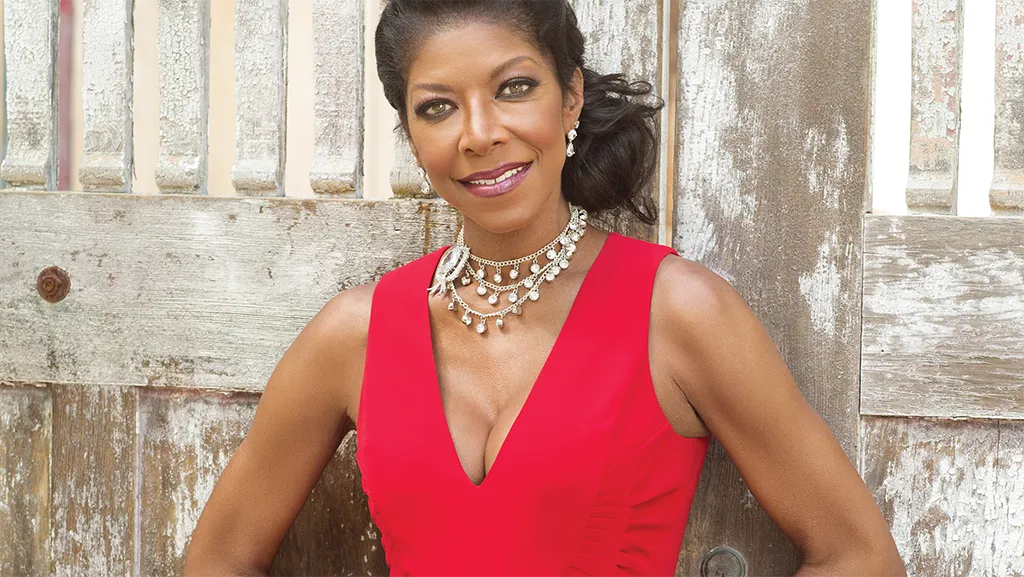
Natalie stands against weathered gate
Photo: Jack Guy
Natalie wearing a colorful dress in the garden
Photo: Jack Guy
Montreux Jazz Festival, 2003
Photo: ©Flusin/Dalle/Cache Agency
Natalie relaxes in the garden
Photo: Jack Guy
Young Natalie at home
1950
s
Courtesy of The Natalie Cole Foundation
1960
s
Courtesy of The Natalie Cole Foundation
Natalie Cole - Sophisticated Lady
1970
s
Photo courtesy: Mal Mace Archives/Cache Agency
1980
s
Courtesy of The Natalie Cole Foundation
Natalie live in concert 1992
1990
s
Photo: Jimmy Steinfeldt
Natalie Cole performs live in Duomo, 2008
2000
s
Photo: ©Mobre/Dalle/Cache Agency
1960
s

Follow Natalie on

Social Media